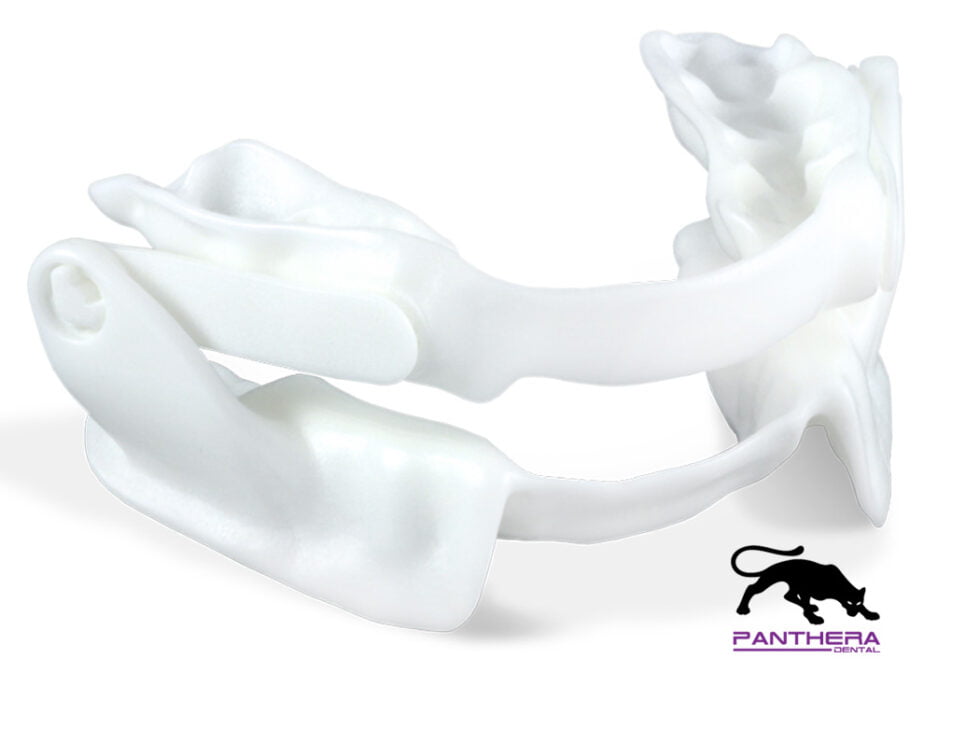
Panthera D-SAD Classic

Congratulations on starting your sleep treatment with the Panthera D-SAD appliance!
We’re excited to support you on this journey toward better sleep and overall health. Our team selected this small, lightweight device to ensure minimal bulk and maximum comfort. The Panthera D-SAD features an effective titration system, allowing for precise adjustments in 0.5mm increments, which ensures optimal comfort and efficacy. Its innovative design minimizes the risk of tooth movement and ensures no incisor contact, providing stability anchored on your strongest teeth. Made from medical-grade nylon polyamide, the appliance boasts high tensile strength and exceptional resistance to bruxing, cracking, and abrasion, ensuring the integrity of your device throughout your treatment.
Thank you for allowing us the opportunity to participate in your care! Warm regards, The Midwest Dental Sleep Center Team
Panthera D-SAD Classic Instructions
Patient Instructions
Patient FAQ VIDEOS

Welcome
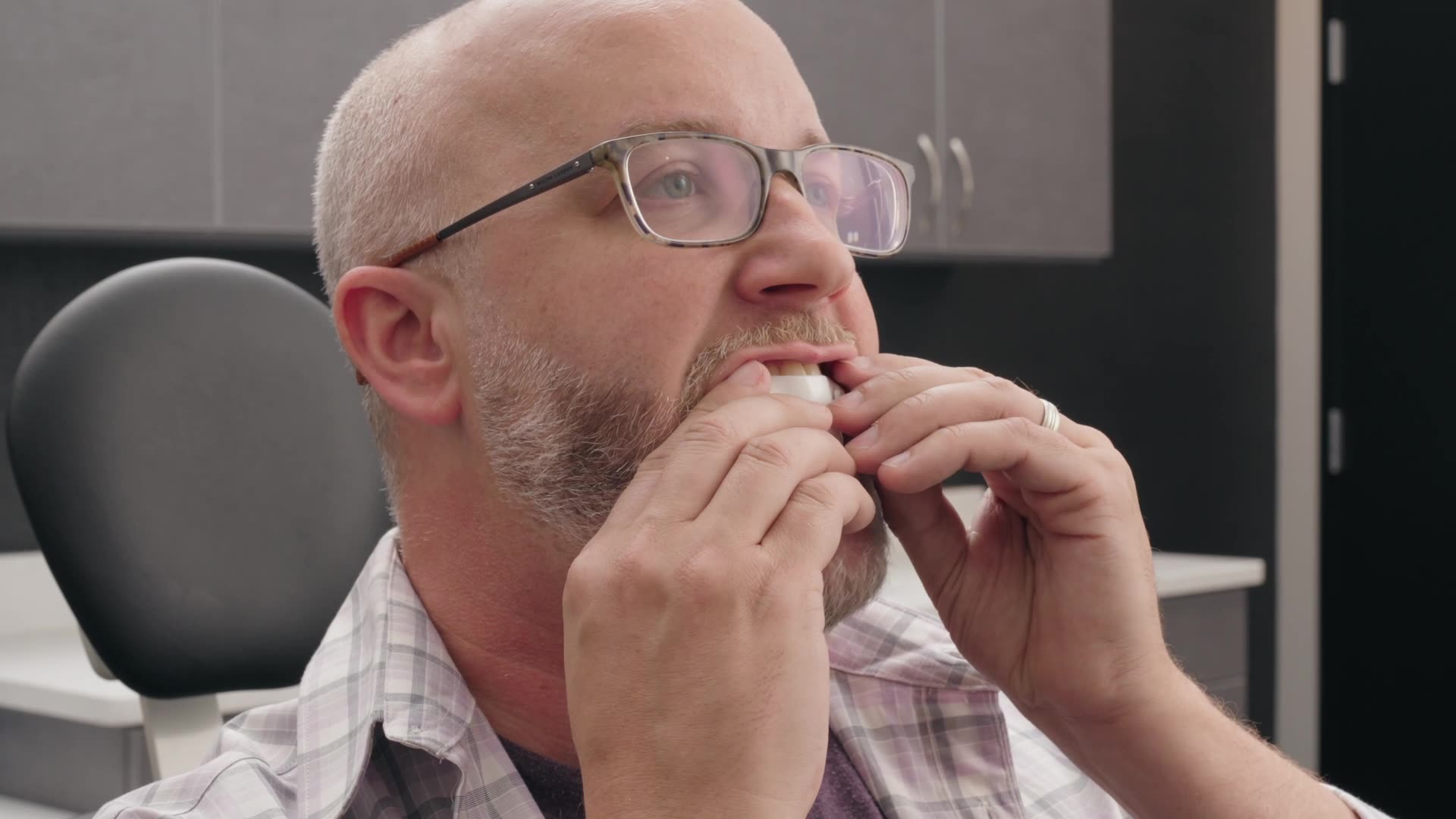
Inserting / Removing Panthera D-SAD Classic
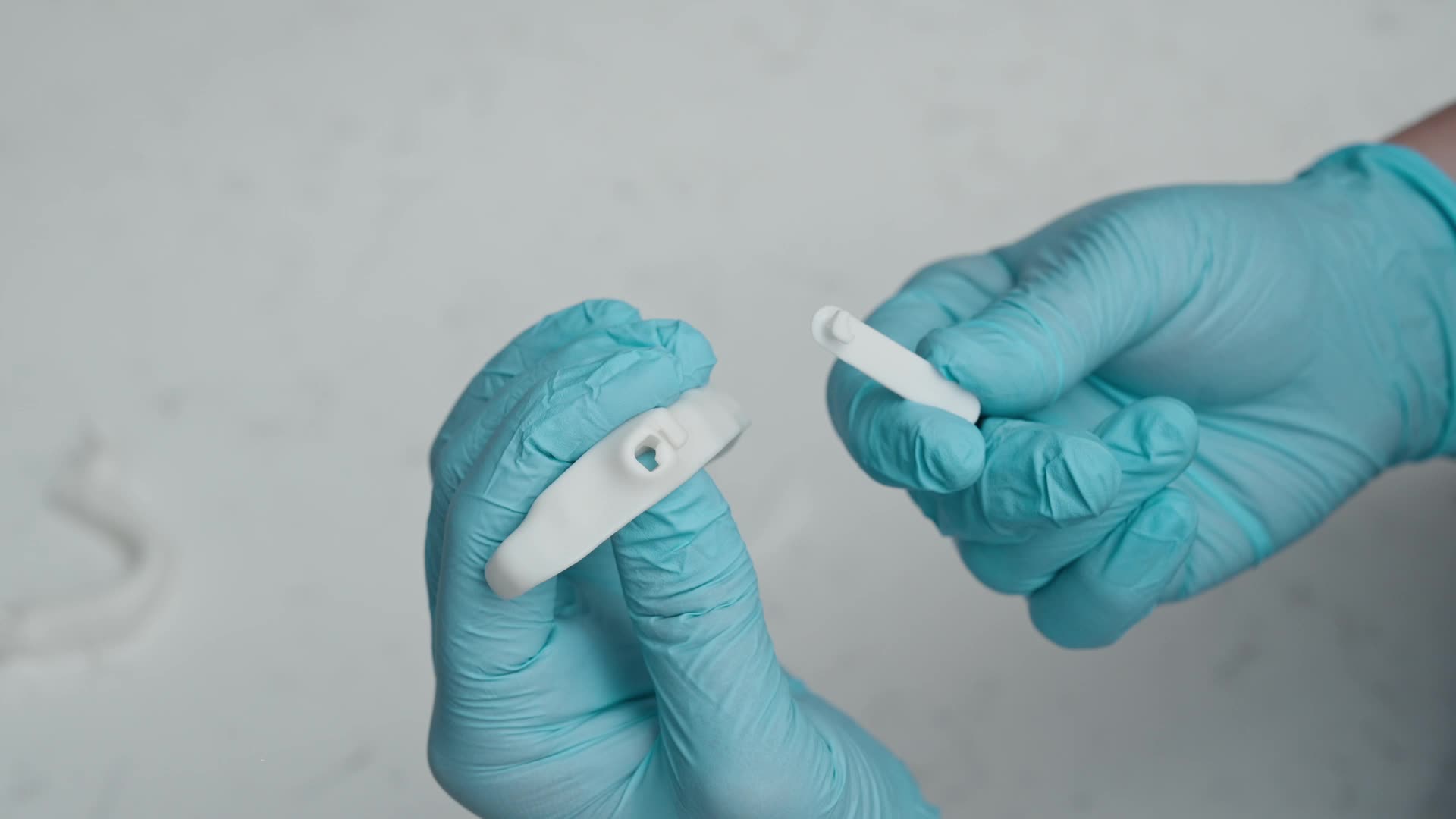
Adjusting Panthera D-SAD Classic
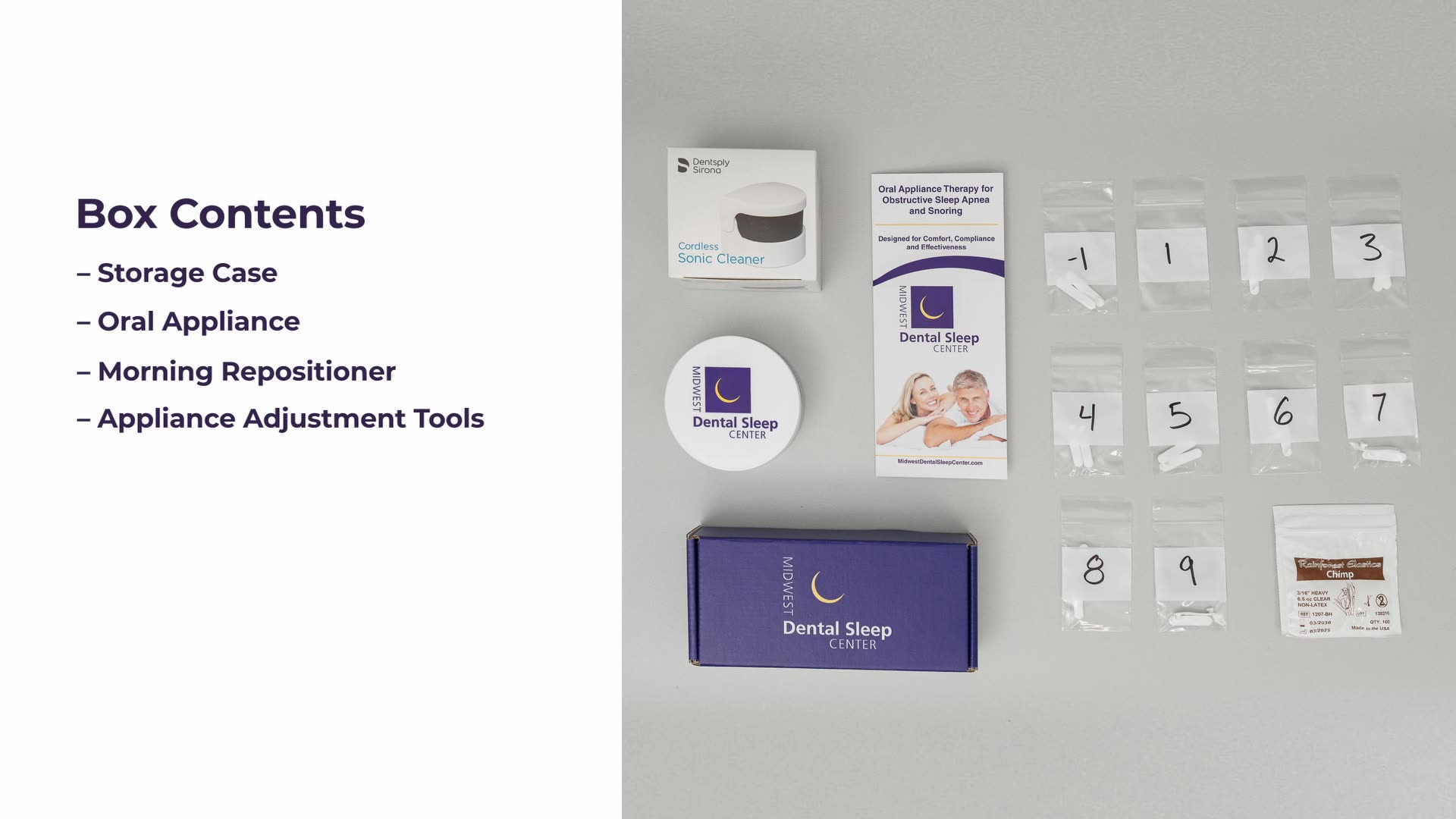
Take Home Packet
Cleaning Your Appliance
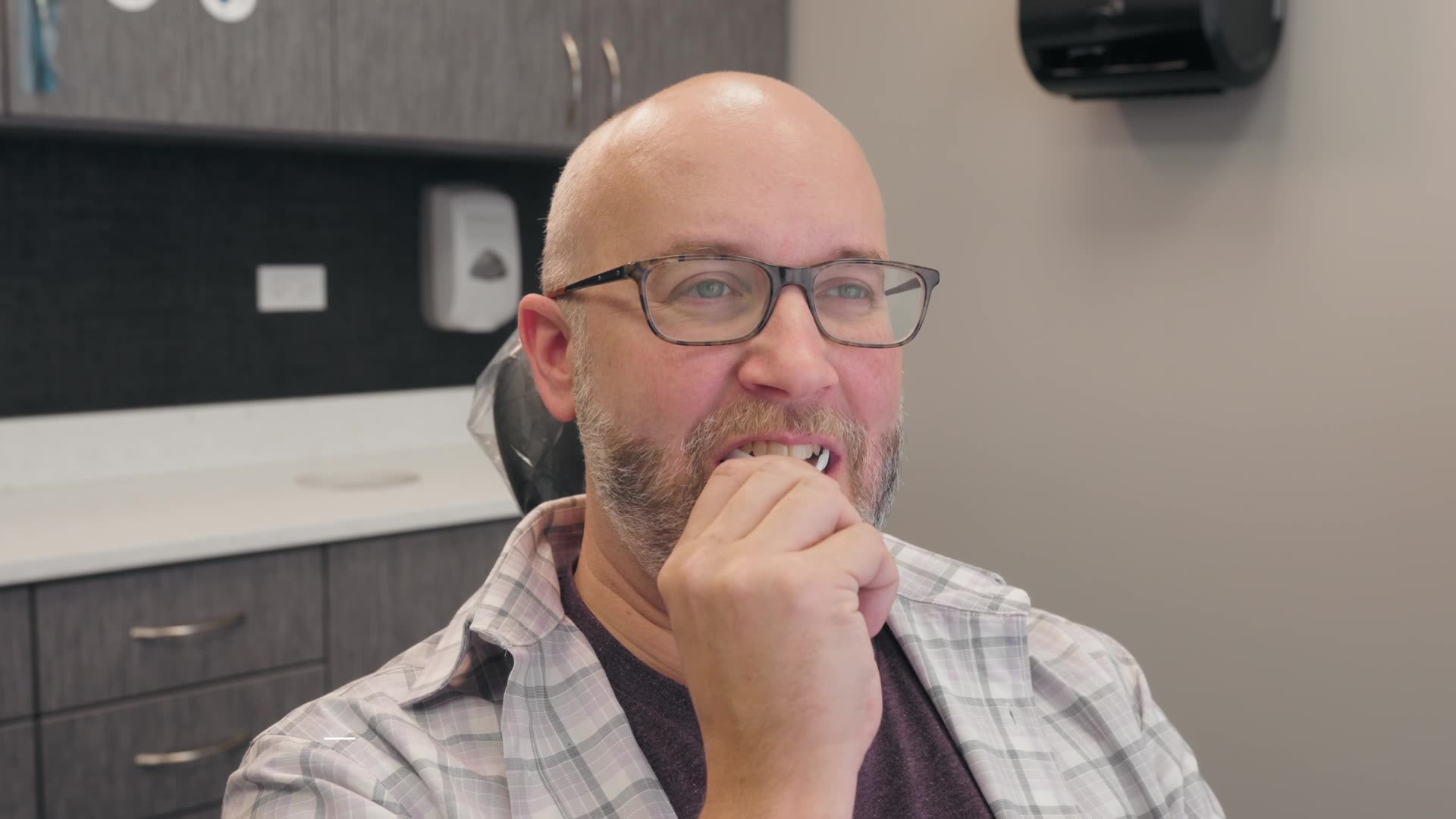
Using the Morning Repositioner
Common Side Effects
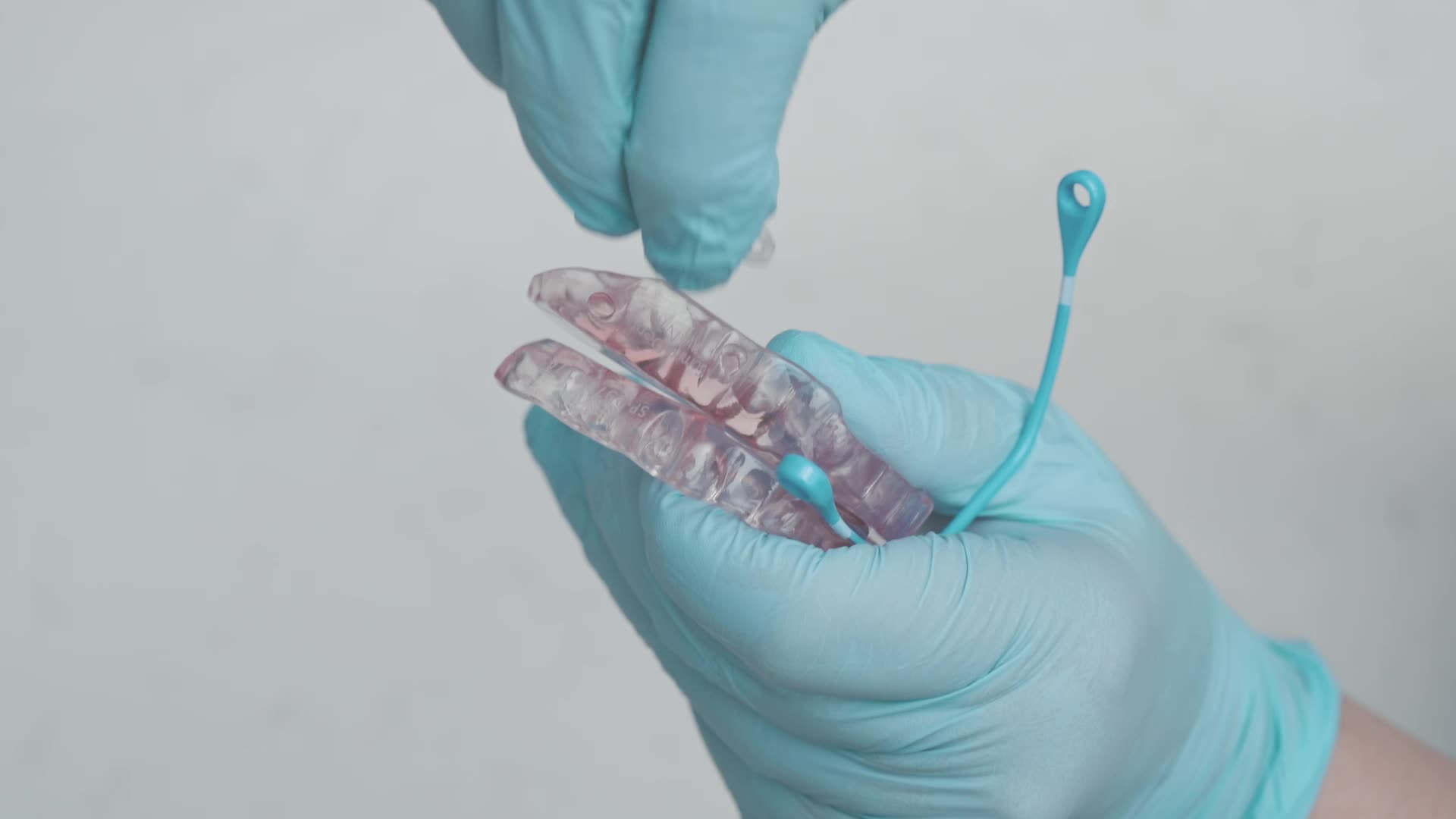
Using Rubber Bands
General Warranty
Next Steps
Patient Resources
Understanding Sleep
What can interfere with sleep or cause fatigue?
- +/- than 7-9 hrs. sleep per night
- Inconsistent sleep/wake schedule
- Stimulants in the afternoon/evening (caffeine, nicotine)
- Eating within 2hrs of bedtime
- Exercising within 2hrs of bedtime
- Light source in the bedroom (i.e. phone, TV)
- Noise disruption
- Bed partner snoring or movement
- Children & pets
- Bedroom temperature
- Uncomfortable mattress
- Stimulating activity near bedtime/in bedroom (work, TV, reading, games)
- Stress
- Pain
- Some over the counter or prescription medications
- Other medical, sleep or psychological conditions
What can worsen Obstructive Sleep Apnea?
Excess weight/weight gain
- Sleep Position: Sleeping on back
- Smoking: Irritant and inflammatory
- Sedatives: Alcohol, Sleep -Aides, Anti-Anxiety, Muscle Relaxants or Prescription Pain Medications
- Environmental Allergies, Sinusitis, or anything else interfering with the nasal airway
What can you do if you are concerned about the above?
- Speak with your physician about any medical conditions, pain, or medications
- Simple behavioral changes can be made at home
Product Shopping Guide
This is a supplementary tool for reference only. Use of the noted brand name products is not required. This is not all inclusive, and there are many other brands of these products available on the market. If using an alternative cleanser, please ensure the box indicates that the cleanser is approved for partials or dental retainers and check to be sure it is free of chlorine, bleach, and alcohol. Follow cleaning instructions on product.
Cleaning Solutions
- Polident For Partials
- Efferdent Anti-Bacterial Dental Appliance Cleanser, Note: Avoid “Overnight Clean”
- Polident Pro Guard & Retainer
- DentaSoak (persulfate free)
- Retainer Brite
Soap Cleaners
Troubleshooting Guide
Mild tenderness is common when you first start using your oral appliance or during the adjustment process. Typically, any tenderness resolves within 1-2 hours after removing the appliance. However, if you experience discomfort that lasts into the afternoon or causes headaches, earaches, or ear pain, please follow the steps outlined below. If discomfort persists after trying these steps, contact our office for further assistance.
Steps to Alleviate Discomfort:
- Return to Previous Settings: If your device was recently advanced and you're experiencing discomfort, try going back to the previous setting or the starting position. If discomfort continues at these settings, stop using the appliance.
- Use CPAP if Available: If you have a CPAP machine, use it to ensure adequate treatment of your obstructive sleep apnea (OSA).
- Resume Use Gradually: After 3 consecutive days without pain, you can start using the appliance again at a lesser setting or the starting position. When adjusting settings, allow more time between adjustments and limit the number of turns made at once.
Dietary Recommendations:
- Avoid Hard Foods: Stay away from hard, crunchy, or chewy foods. Opt for soft or blended options to help your jaw rest.
- Be Mindful of Food Types: Avoid stretching your mouth for foods like corn on the cob, apples, or whole fruits.
- No Gum Chewing: Refrain from chewing gum, as it can exacerbate discomfort.
Medications:
If approved by your physician, you may use over-the-counter NSAID medications, such as Advil or Motrin, to reduce inflammation and discomfort. Recommended Dosage: 400-600 mg every 6 hours for no more than 2-3 days.
Heat Therapy:
Applying moist heat with a heat pack or a hot water bottle wrapped in a warm, moist towel can improve blood circulation and alleviate discomfort. Please be careful to avoid burns.
Massage Techniques:
Gently massaging the jaw joint area can help relax the muscles and reduce discomfort. Use your fingers to massage along the jawline while applying light pressure. While massaging, open and close your mouth gently, avoiding full closure and contact between your upper and lower jaws.
Note: If the above techniques do not relieve your jaw discomfort or if symptoms worsen at any time, please contact our office for further evaluation.
Jaw Exercises
Thinking Man Exercise
Rest your elbow on a hard surface, such as a table or desk. Place chin in palm of hand. Leave mouth slightly open and push back for 5-10 seconds and release. Repeat for 2-3 minutes. This exercise should be done in addition to using your Morning Repositioner, unless otherwise directed by the Dentist.

Adjunct Therapy
The following focuses on adjunct therapies with moderate to high levels of evidence to improve outcomes with oral appliance therapy (OAT) for sleep apnea. The evidence is drawn from clinical guidelines and studies published in reputable medical journals, including the American Academy of Sleep Medicine (AASM) and the American Academy of Dental Sleep Medicine (AADSM).
Adjunct Therapies for OAT
Oral appliance therapy (OAT) is an effective treatment for many people with obstructive sleep apnea (OSA). However, OSA pathogenesis is heterogeneous, and in approximately 50% of cases, OAT does not fully control OSA. The following adjunct therapies, supported by moderate to high levels of evidence, can be combined with OAT to improve outcomes:
Combination Therapy With CPAP and OAT
For patients who do not achieve complete resolution of OSA with OAT alone, combining OAT with continuous positive airway pressure (CPAP) can be effective. This combination has been shown to reduce the required CPAP pressure and improve treatment efficacy.
[1][2]
Positional Therapy
Positional therapy, such as using a device to avoid sleeping on the back, can be combined with OAT to treat positional OSA. Studies have shown that this combination can significantly reduce the apnea-hypopnea index (AHI) and improve oxygen levels during sleep. Click Here
[3][4]
Inspire Therapy
Inspire is a device that stimulates the hypoglossal nerve to keep the airway open during sleep. It can be an option for patients who do not respond to OAT or CPAP. Clinical trials have demonstrated its effectiveness in reducing OSA severity.
[5]
Orthognathic Surgery
For patients with craniofacial abnormalities contributing to OSA, orthognathic surgery can be considered. This surgery repositions the jaw to enlarge the airway and has been shown to improve OSA outcomes.
[6]
Sinus Surgery
In patients with nasal obstruction contributing to OSA, sinus surgery can improve nasal airflow and enhance the effectiveness of OAT and other therapies.
Tirzepatide
Tirzepatide is a medication primarily used for diabetes and weight management. The medication was recently approved for OSA and is an ideal adjunctive treatment. Weight loss can improve OSA symptoms, and tirzepatide may be considered in patients with obesity-related OSA.
Maxillary Skeletal Expansion (MARPE, SARPE, DOME)
Maxillary skeletal expansion techniques such as Miniscrew-Assisted Rapid Palatal Expansion (MARPE), Surgically Assisted Rapid Palatal Expansion (SARPE), and Distraction Osteogenesis Maxillary Expansion (DOME) can be used to increase the transverse dimension of the maxilla. These procedures have shown promise in improving airway dimensions and reducing OSA severity in patients with maxillary constriction.
Follow-Up and Monitoring
The American Academy of Sleep Medicine and the American Academy of Dental Sleep Medicine recommend regular follow-up visits with a qualified dentist and sleep physician to monitor and adjust treatment as needed.
[6]
Clinical Guidance
Discuss these options with your healthcare provider to determine the best combination of therapies for your specific condition.
The document now includes adjunct therapies with moderate to high levels of evidence, ensuring the recommendations are both comprehensive and evidence-based. This should provide a robust guide for improving outcomes with oral appliance therapy for sleep apnea.
References
-
Stepwise Add-on and Endotype-Informed Targeted Combination Therapy to Treat Obstructive Sleep Apnea: A Proof-of-Concept Study
Aishah A, Tong BKY, Osman AM, et al. Annals of the American Thoracic Society. 2023;20(9):1316–1325. doi:10.1513/AnnalsATS.202210-892OC. -
Combination Therapy With Mandibular Advancement and Expiratory Positive Airway Pressure Valves Reduces Obstructive Sleep Apnea Severity
Lai V, Tong BK, Tran C, et al. Sleep. 2019;42(8):zsz119. doi:10.1093/sleep/zsz119. -
Mouth Closing to Improve the Efficacy of Mandibular Advancement Devices in Sleep Apnea
Labarca G, Sands SA, Cohn V, et al. Annals of the American Thoracic Society. 2022;19(7):1185–1192. doi:10.1513/AnnalsATS.202109-1050OC. -
Effects of the Combination of Novel Eye Mask Sleep Position Therapy Device and Oral Appliance on Positional OSA
Huang W, Li C, Zou J, et al. Sleep Medicine. 2023;102:52–63. doi:10.1016/j.sleep.2022.12.017. -
A Mandibular Advancement Device Associated With Lingual Control: A New Treatment Option for Obstructive Sleep Apnea?
Caram JM, Guimarães MLR, de Azevedo PG, Silva ALC, Resende V. Sleep & Breathing. 2024;28(2):657–663. doi:10.1007/s11325-023-02938-6. -
Clinical Practice Guideline for the Treatment of Obstructive Sleep Apnea and Snoring With Oral Appliance Therapy
Ramar K, Dort LC, Katz SG, et al. Journal of Clinical Sleep Medicine. 2015;11(7):773–827. doi:10.5664/jcsm.4858.